

Custom Fertilizer Granulation Lines
From raw-material trial to full-line commissioning. Four processes — disc, rotary drum, extrusion and the E1 fertilizer station — covering organic fertilizer, NPK compounds and specialty products.
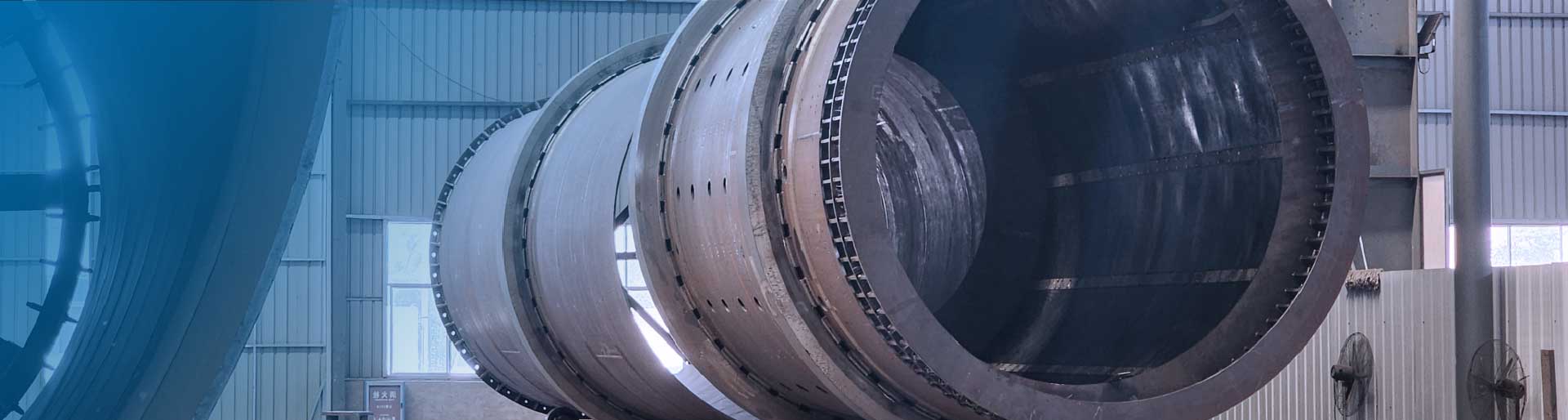
Shells Rolled In-House Up to 4.5 m Inner Diameter
75+ countries, 100+ customers, and support from design through machine building, installation and commissioning.
Compound Fertilizer Equipment — Nitrogen, Phosphate and Potash Processing
Quotations list every machine, model and unit price. Custom lines and single machines for urea, DAP, MAP, TSP, MKP, DKP and phosphate plants.
Find your line in four questions
Material, capacity, finished product, project stage. Pick the one you already know — every path leads to a real specification, not a brochure.
Raw material
Capacity
Product form
View all production linesGranulation lines from 0.5 to 30 t/h, and the equipment around them
Four granulation processes + two sets of supporting equipment. Whether you are a start-up or an existing line that has hit an operating bottleneck, Shanghai Exceed Industry Co., Ltd. builds a solution around your material, to help you reach efficient, sustainable output. Where a figure depends on your material, we say so instead of rounding it up.

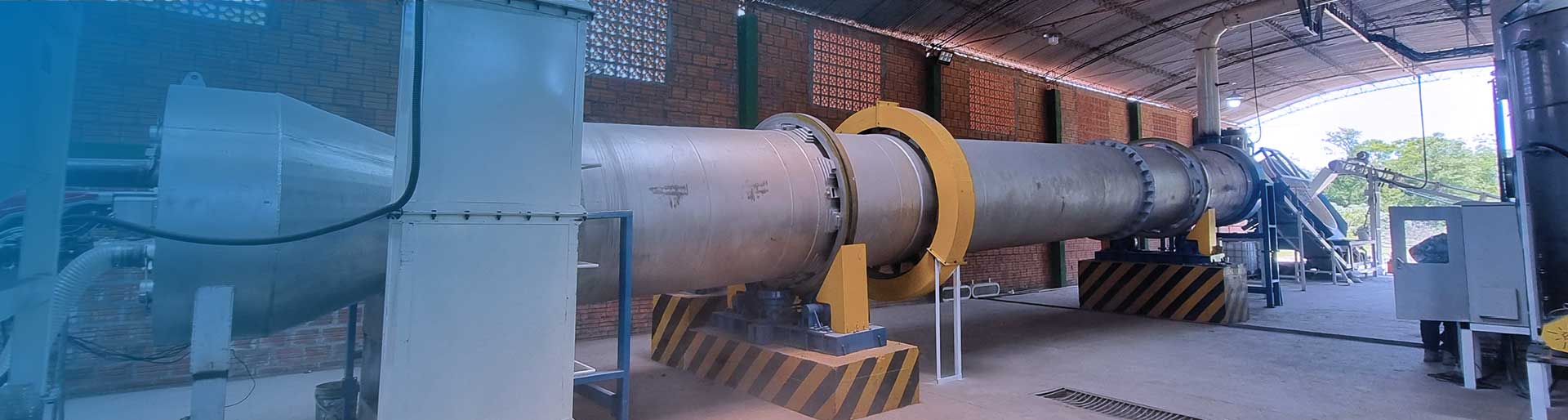
Rotary Drum Granulation Line
High output per machine. Steam trimming moisture cuts drying energy.
- Material
- Urea, phosphate, potash, etc.
- Capacity
- 5–30 t/h
- Product form
- Spheres, 1–5 mm
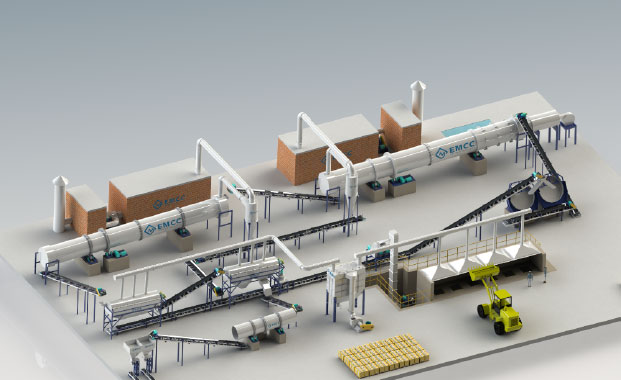
Disc Granulation Line
Simple to run, low recycle rate, tighter control of particle size.
- Material
- Composted manure, biogas residue, etc.
- Capacity
- 0.5–5 t/h
- Product form
- Spheres, 3–5 mm

Double Roller Extrusion Granulation Line
Little water needed to form. Some materials need no drying at all.
- Material
- Ammonium chloride, sulphate, etc.
- Capacity
- 0.5–8 t/h
- Product form
- Cylindrical or oblate, 2–6 mm

E1 Fertilizer Station
A modular line: 20 m² footprint, 3–5 days to install, low outlay.
- Material
- Fermented organics, NPK, Compound, etc.
- Capacity
- 0.5–1.5 t/h
- Product form
- Spheres, 3–5 mm
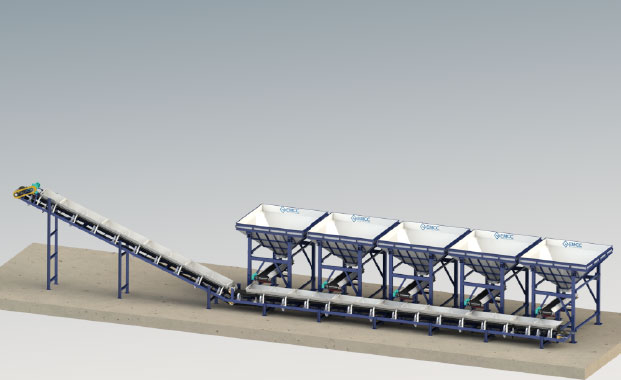
Crushing, Mixing & Conveying
Upgrade equipment for new and existing lines, so output stays steady.
- Scope
- Crushers, mixers, conveyors
- Fit
- New build or retrofit
- Supply
- Single units or full sets
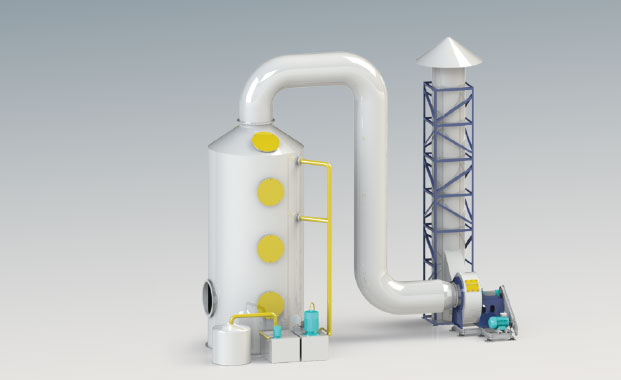
Environmental Equipment
Dust collection and scrubbing to your material and local limits.
- Scope
- Dust collectors, spray towers
- Fit
- New build or retrofit
- Driver
- Local emission limits
What you can verify before you order a granulation line
Six things you can check yourself — on a drawing, in a certificate, or on a plane to Xuzhou. Not adjectives.
13 years, 50+ complete lines
Granulation, drying, cooling and conveying equipment and process design, for every major fertilizer material.
100+ projects in operation
48-hour response, with service and spare-parts support from order through to operation.
50+ design and service engineers
Consulting, design, equipment, installation, training, on-site guidance, spares and maintenance, on call.
Shells rolled in one piece
In-house plate rolling up to Ø4.5 m inner diameter. Fewer welds, and both shell quality and lead time stay under our own control.
Test before design
Send your raw material before the line is designed. We run a small batch trial and design to the test report, not to an assumption.
CE and ISO certified
ISO three-system certification and CE certification, audited and issued by third parties including POSI and UDEM. Certificates available on request.
Want the evidence behind these six points? The company overview carries the workshop list, the machinery in each workshop, the certificates and the projects you can visit.
Company OverviewFertilizer granulation projects across three continents
From project concept to commercial production, several critical stages stand in between. Design has to balance technical feasibility, process optimisation and project profitability, so that the return on investment is maximised.
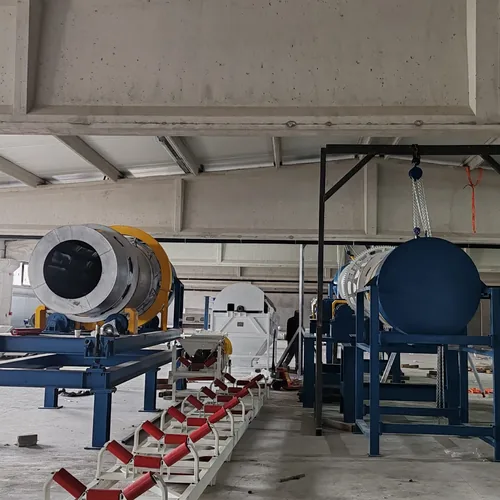
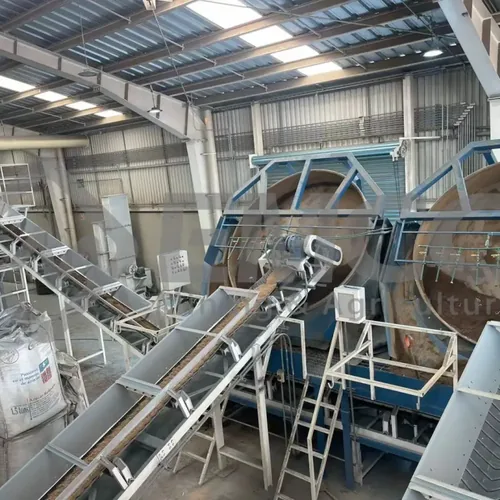
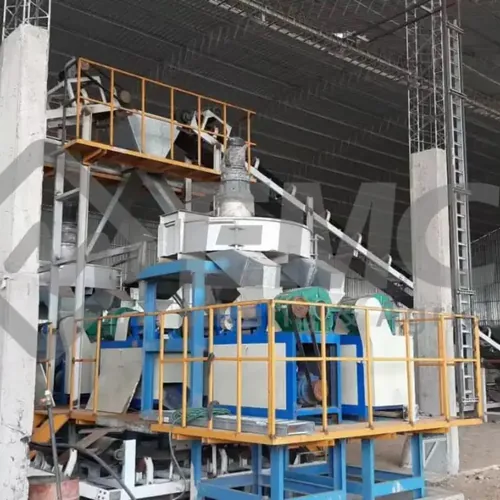
Three families of projects
Group by application industry, not by process. Chemical fertilizer, organic and solid-waste recovery, industrial granulation. Each family has its own process limits and its own emission rules.
Chemical & compound fertilizer
Organic & solid waste recovery
Industrial granulation & packages
Nine stages, each lasting several weeks
Two stages cost nothing: requirement review and quotation. The laboratory trial is inside the design fee.
Requirement review
Material, target product and budget confirmed; project scope fixed.
Laboratory analysis
Small batch trials confirm whether the material granulates and at what formulation. 2–4 weeks, included in design.
Data report & process sign-off
Test data reviewed with you; process route and key parameters fixed.
Line design
Flow sheet, 3D layout and the full engineering drawing set.
Quotation
Itemised equipment list, unit prices and delivery schedule.
Contract
Technical agreement and contract signed; the project starts.
Manufacturing
Built to drawing, shells rolled in one piece and traceable.
Installation & training
On-site installation supervision, commissioning and operator training.
After-sales
48-hour response, spares and long-term technical support.
Most of those weeks are spent in one place: our own workshops in Xuzhou.
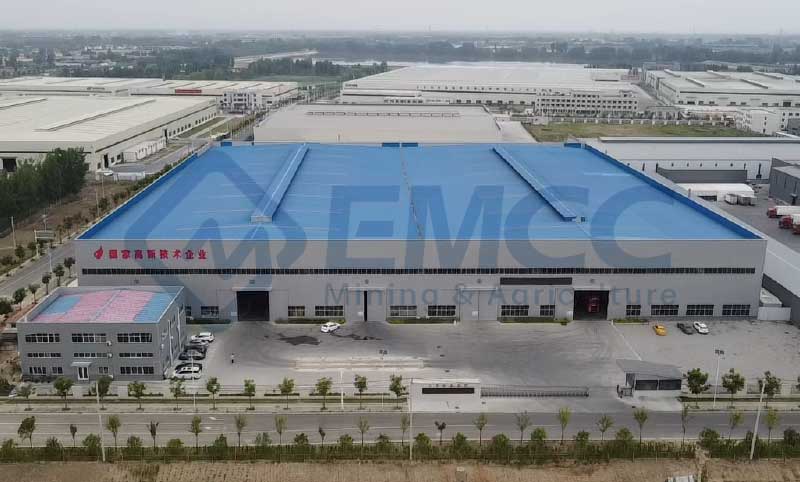
Where your line is built
Headquartered in Shanghai, manufacturing in Xuzhou. Every shell is rolled in our own factory rather than bought in — which is why we can commit to a delivery date and keep it.
- Plant area
- 30,000 m²6 production workshops
- Workshop staff
- 150+Welders, fitters, machinists
- Max machining
- Ø4.5 mShell inner diameter
- Location
- XuzhouJiangsu, China
Main process equipment: plate rolling machines, automatic welding machines, horizontal lathes, heat-treatment furnaces.
Granulation line FAQ
Which raw materials can you handle?
Nitrogen: urea, ammonium sulphate, ammonium chloride, ammonium nitrate, calcium ammonium nitrate, UAN solution.
Phosphate: phosphate rock and powder, MAP, DAP, SSP, TSP, phosphoric acid.
Potash: MOP, SOP, potassium nitrate, potassium hydroxide.
Organic: chicken, cattle and pig manure, straw, rice husk, spent mushroom substrate, biogas residue and slurry, humic acid, peat, lignite, food and garden waste, municipal sludge, bone meal, blood meal.
Minerals and carriers: bentonite, kaolin, zeolite, diatomite, limestone, dolomite, gypsum, FGD gypsum, fly ash, talc.
Salts: sodium, calcium, magnesium chloride, sodium sulphate.
Additives: binders, coating polymers, resin monomers, sulphur, sealants, anti-caking agents, chelated micronutrients, microbial agents, corrosion inhibitors, deodorisers, suspending agents, xanthan gum, baking soda, activated carbon, fragrances.
What capacity range can you build?
From 0.5 to 30 t/h, configured for the material and the target product. Above that, two lines run in parallel rather than one oversized machine.
Can you test our material before we commit?
Yes. We run our own laboratory. Send a sample — 10–30 kg is enough — and we test it and issue a test report. The trial sits inside the design fee, so it is not a separate purchase.
How long are lead time and installation?
It depends on the line type and on the equipment selected for your output. The stage-by-stage schedule is set out above, in How We Work — 18–50 weeks end to end.
Do you sell single machines only, or turnkey lines?
Both. We supply single machines for expansion, retrofit and optimisation, and we mainly build complete projects: requirement review, testing, selection and design, manufacturing, installation and commissioning, and operator training.
What do spares and after-sales cover?
Wear parts for each machine are stocked against the actual line and shipped with it. Parts you cannot source locally are still available from us afterwards, and installation and trial runs are supported on site by our own technicians — 48-hour response.
Can we visit the factory or a running project?
Yes. Send your requirement and company details to arrange a factory visit or a site visit to a running line. We can also arrange visits to established fertilizer brand partners in China.
Written by the engineers who design and build the lines
Eight articles on process selection, plant scale and investment. See more news.
Tell us the material and the tonnage
Two numbers are enough to start: what you feed in, and what you need out. We reply within 48 hours, with a process route or a question worth answering.